
15 Powerful Herbs You Need to Fight Intestinal Worms & Parasites
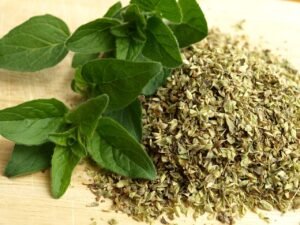
Here’s a list of herbs that have traditionally been used to help expel or fight intestinal worms and parasites. Many of these have antiparasitic, antifungal, or antimicrobial properties:
- Wormwood (Artemisia absinthium / Artemisia annua) – Classic antiparasitic herb; traditionally used for roundworms and pinworms.
- Black Walnut Hull (Juglans nigra) – Contains juglone, known to help cleanse the intestines of parasites.
- Cloves (Syzygium aromaticum) – Kills parasite eggs and has strong antimicrobial action.
- Garlic (Allium sativum) – Natural broad-spectrum antimicrobial that works against worms, bacteria, fungi, and protozoa.
- Neem (Azadirachta indica) – Powerful antiparasitic herb commonly used in Ayurvedic medicine.
- Goldenseal (Hydrastis canadensis) – Contains berberine, effective against protozoa like giardia.
- Oregano Oil (Origanum vulgare) – Strong antifungal and antiparasitic properties.
- Thyme (Thymus vulgaris) – Contains thymol, which can help expel intestinal worms.
- Pumpkin Seeds (Cucurbita pepo) – Contain cucurbitacin, a compound that paralyzes worms, making them easier to expel.
- Papaya Seeds (Carica papaya) – Known to fight intestinal worms, especially roundworms.
- Turmeric (Curcuma longa) – Anti-inflammatory, antimicrobial, and supports gut cleansing.
- Ginger (Zingiber officinale) – Aids digestion and has antiparasitic effects.
- Barberry (Berberis vulgaris) – Another berberine-containing herb effective against parasites.
- Cayenne Pepper (Capsicum annuum) – Helps expel worms by creating an environment they dislike.
- Olive Leaf (Olea europaea) – Antimicrobial, antifungal, and antiparasitic.
Traditionally, wormwood, black walnut, and cloves are considered the “big three” for parasite cleanses, often combined in herbal protocols.
Note: These herbs can be very potent. Dosage and duration matter, and some (like wormwood or goldenseal) should not be used long-term. It’s best to work with a healthcare professional, especially if you’re pregnant, breastfeeding, or on medication.

Comments